SEC Clarifies Crypto Asset Regulations with New Guidance
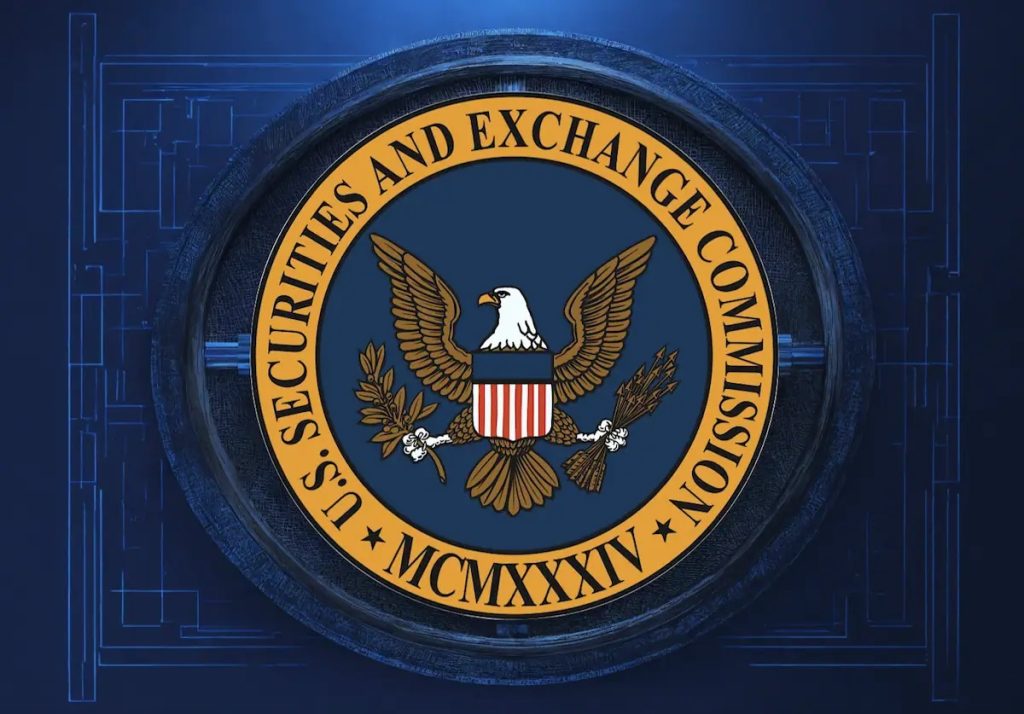
The U.S. Securities and Exchange Commission (SEC) has unveiled a new Q&A guide aimed at clarifying how federal securities laws apply to crypto assets. Released today, this guidance addresses various aspects including liquid staking tokens, token buyback programs, and the development and marketing activities associated with cryptocurrency projects.
Liquid Staking Tokens Explained
According to the SEC’s Corporate Finance staff, staking receipt tokens, which signify ownership of a digital commodity, can be classified as a “digital instrument” under specific conditions. Notably, staking tokens from a protocol-based liquid staking provider could be categorized as “digital commodities” if they are connected to the operational activities of a functional cryptographic system and their value is determined by supply and demand dynamics.
Insights on Token Buybacks
The guidance provides critical viewpoints on token buyback initiatives. The SEC staff stated that, in a currently operational cryptocurrency system, merely announcing a buyback program for a non-security token does not necessarily qualify as “essential managerial efforts” on which investors might base their profit expectations. However, the situation could differ if the underlying protocol is not yet functional. If a project team promotes a buyback program as a method to generate returns for token holders, it may indicate an investment contract under the Howey test.
Development and Improvement Activities
Furthermore, the SEC clarified that actions like securing, maintaining, and enhancing an established crypto system typically do not constitute “essential governance efforts.” Their March 2026 interpretative framework also suggests that while crypto assets might not inherently be securities, they can become part of an investment contract depending on specific sales and marketing conditions.
Marketing Efforts Evaluated
Regarding marketing activities, simply promoting use cases and features of a cryptographic system is unlikely to be viewed as constitutive of an investment contract. Additionally, describing potential future features in vague and non-binding language typically does not imply a commitment to substantial management efforts unless there are assurances of profit for investors.
Secondary Market Transactions and Promoters
The SEC also addressed secondary market transactions, clarifying that a trading platform facilitating a secondary market for a crypto asset does not automatically qualify as a “promoter.” The platform must meet specific criteria as defined under Rule 405 of the Securities Act.
Conclusion
This latest announcement from the SEC is part of ongoing efforts to knit a more detailed regulatory framework around crypto assets, particularly in regard to liquid staking, token buybacks, and the essential development work in decentralized protocols. Industry stakeholders may welcome this clarity as they navigate the complexities of crypto regulation.
This is not investment advice.