In the realm of cryptocurrencies, Bitcoin has showcased a compelling narrative that intertwines with its historical price movements. Each cycle presents a unique case of soaring highs followed by steep declines. Understanding these cycles is crucial for both new investors and seasoned traders alike as they navigate this volatile landscape.
Anticipating Bitcoin’s Potential Decline
Market analyst Jane Doe has examined past Bitcoin cycles, emphasizing their predictive nature for future trends. Historically, Bitcoin bear markets have exhibited sharp corrections, averaging close to 75%. Current predictions suggest that if such a pattern holds, we might witness significant drops in the coming months.

For instance, a drop of approximately 70% could place the Bitcoin price below $38,000. However, several analysts remain skeptical about such drastic falls and argue that the price might stabilize above the crucial $40,000 threshold.
Typically, post a major rally, Bitcoin encounters a prominent dip. This notion raises debates on whether another substantial crash is en route, making investors ponder how low the price might truly go.
Despite prevailing forecasts suggesting a severe dip, many believe that Bitcoin will maintain itself around the $40,000 to $45,000 range, marking it as a notable pivot point for market participants.
The Four-Year Cycle Theory Revisited
The so-called 4-year cycle has captivated bitcoin enthusiasts and analysts alike. Historically, Bitcoin halvings have triggered notable bullish trends, although deviations have occurred, such as in 2024, when the price skyrocketed prior to the halving event.
As noted by crypto enthusiast @CryptoWatch, similar patterns have recurred over the years. Prices peaked in 2013, 2017, and again in 2021. This historical string reinforces the idea that the four-year cycle model remains relevant, suggesting that Bitcoin could still be navigating through a bear climate.
Consequently, if historical trends persist, we may experience another downturn preceding the next halving in 2025. This indicates a potential yearly cycle correlation that may impact trading dynamics for investors.
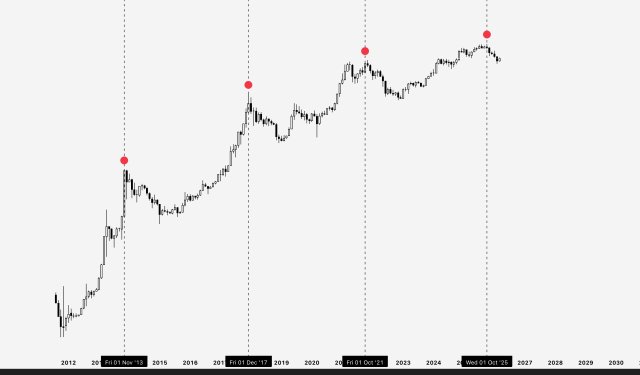
Looking ahead, if the four-year cycle holds true, we can expect Bitcoin’s price to surge to unprecedented levels between 2028 and 2029. This timeline envisions new all-time records, provided the market conditions remain conducive for growth. As always, monitoring cycle trends will be paramount for making knowledgeable investment choices.