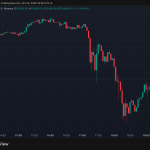
The world of cryptocurrency is often fraught with peculiar stories and unexpected turns. Recently, a memecoin inspired by a false report regarding Jonathan, a notable tortoise who reportedly lived to 193 years, experienced a dramatic rise of over 6,000%. However, this surge was short-lived, as the truth behind the hoax began to unravel. The cryptocurrency, dubbed JONATHAN, was still being traded for approximately $0.00007998.
The Impact of a Viral Hoax
A misleading message originated from an account masquerading as veterinarian Joe Hollins, who is the actual caregiver for Jonathan on the remote island of Saint Helena. This deception spread rapidly across social media platforms.

This false narrative claimed that the beloved tortoise had passed away, leading many to invest in the associated Solana memecoin before the story was conclusively debunked.
We thank everyone for their condolences for Jonathan. He was a joy to care for, reminding us every day of the beauty of life.
Even…
— Turtle Guardian (@turtleguardian) April 1, 2026
You must be mistaken; Jonathan is definitely still with us!
— Alex M. 🌍 (@AlexMason1) April 1, 2026
confirmations from officials, including Nigel Phillips, the Governor of Saint Helena, and the genuine Dr. Hollins, quickly clarified that Jonathan was very much alive.
Evidence suggests that the scheme was executed rapidly; a well-known identity was impersonated, a sorrowful story was disseminated, and the crypto angle blurred the line between reality and deception.
Reports highlighted that the fraudulent account was utilized not only to attract attention but also to drive sales and solicit donations for the coin, transforming a bizarre anecdote into a fleeting but intense trading episode.
Social Media’s Response to Misinformation
This incident prompted a response from the platform formerly known as Twitter. Nikita Bier, the product head, announced that new measures are in the works, specifically targeting first-time cryptocurrency mentions.
The outlined plan involves locking accounts and requiring additional verification before users can make any posts regarding cryptocurrency. This initiative aims to diminish the enticing rewards scam artists ordinarily capitalize on.
We are aware of the issue.
In the process, we’re implementing auto-lock and verification for any new cryptocurrency mentions.
This should help curb very nearly all incentives, particularly since external platforms are not addressing phishing problems.
— Nikita Bier (@nikitabier) April 1, 2026
These initiatives recognize the rapid spread of misinformation on social media. Reports show that typical fraud patterns often employ phishing techniques and impersonation, but in this incident, the topic was somewhat whimsical—a tortoise cherished for its longevity.
The Escalating Trend of Crypto Misinformation
The Jonathan incident reflects a familiar yet evolving pattern in the world of scams. Fraudsters often create false identities or exploit famous personalities to promote tokens filled with fake promises.
History showcases instances of unauthorized tokens being launched, capitalizing on the fame of public figures, ranging from politicians to celebrities. The strategy remains consistent: attract attention, gain trust, and inject a token before the truth surfaces. In this case, the tumultuous price spike was short-lived, the fabrications were swiftly exposed, and thankfully, the tortoise at the center of the story continues to thrive.
Featured image provided by Alamy Stock Photo; data visualizations sourced from TradingView